






Tesla Pi Phone 2026: Separating Hype from Reality in Elon Musk’s Tech Empire
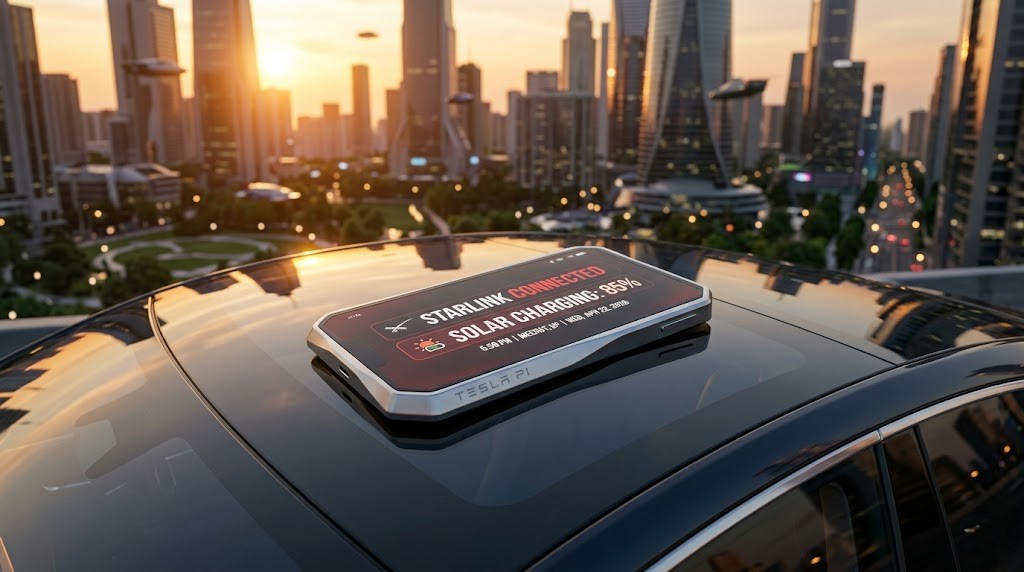
As we navigate through the rapidly advancing technological landscape of April 2026, one device continues to capture the imagination and skepticism of the global public: the Tesla Pi Phone (often referred to as the Model Pi). Since the first rumors surfaced years ago, the tech community has been divided. Is Elon Musk secretly preparing to disrupt the smartphone industry just as he did with electric vehicles and space travel? In 2026, the discussion has reached a fever pitch. With Apple and Samsung dominating the market with their iterative updates, the prospect of a “Tesla Phone” with integrated satellite connectivity and solar charging seems like the ultimate “Sahi” disruption. This 2026 reality check explores what is officially known, what remains a rumor, and whether the Tesla Pi Phone is a genuine product or a masterful piece of internet folklore.
The Tesla Pi Phone concept represents a convergence of all of Elon Musk’s major ventures: Tesla (Battery & Design), SpaceX/Starlink (Connectivity), and Neuralink (Interface). In 2026, the demand for a truly global satellite phone—one that doesn’t rely on traditional cellular towers—is higher than ever. Users in remote areas or those seeking ultimate privacy are looking for an alternative to the status quo. However, building a smartphone is a notoriously difficult and low-margin business. This guide provides an objective look at the potential specifications, the rumored features, and the logical reasons why Tesla might (or might not) enter the mobile market this year.
Tesla Pi Phone: Rumored Specifications & Reality Check (2026)
| Feature Category | Rumored Details (2026) | Reality Check Status |
|---|---|---|
| Connectivity | Native Starlink V2 Integration | Technologically Possible (via Direct-to-Cell) |
| Charging | Solar Back Panel (Auto-Charging) | Limited (Slow Charging Speeds) |
| Neural Interface | Neuralink Support for App Control | Experimental (Niche Use) |
| Processor | Custom Tesla “D1” Mobile Chip | Highly Unlikely (Focus on AI/Cars) |
| Display | Photo-Chromic Shell (Color Changing) | Possible (Prototype Tech Exists) |
1. The Starlink Edge: A Phone That Works Everywhere
The most compelling argument for the Tesla Pi Phone in 2026 is its rumored integration with Starlink. While traditional smartphones like the iPhone 17 have basic satellite messaging for emergencies, the Model Pi is rumored to offer “Direct-to-Cell” high-speed internet. In 2026, Starlink’s V2 satellites are fully operational, capable of transmitting cellular data to standard devices. If Tesla launches its own phone, it could theoretically provide 5G-like speeds in the middle of the ocean or at the top of Mt. Everest. This “Sahi” connectivity feature would be the primary reason for users to switch, as it would eliminate roaming charges and “dead zones” globally.
2. Solar Charging: Eco-Friendly or Gimmick?
Another major rumor surrounding the Tesla Pi Phone is the inclusion of solar cells on the back panel. In 2026, solar technology has improved, but physics still dictates that a small surface area like a phone’s back can only generate a limited amount of power. Realistically, solar charging on a phone would likely serve as a “trickle charge,” preventing the battery from draining completely rather than fully charging it in an hour. While it fits the Tesla brand of sustainability, experts in 2026 believe this feature would be more of a “marketing highlight” rather than a primary power source for heavy users.
3. Neuralink and the Future of Interaction
As Neuralink begins its first human trials for general-purpose use in 2026, the idea of a Tesla Pi Phone acting as the primary hub for brain-computer interfaces is fascinating. Rumors suggest that the phone would allow users to “think” a command—such as opening an app or taking a photo—and the device would respond instantly. While this sounds like science fiction, the synergy between Musk’s companies makes it a long-term possibility. However, for a 2026 consumer release, this feature would likely be limited to specific accessibility tools rather than a mainstream control method.
4. Tesla Operating System: Breaking the Duopoly
For a Tesla Pi Phone to be successful in 2026, it would need its own ecosystem. Using Android (Google) or iOS (Apple) would defeat the purpose of Tesla’s independence. Rumors point toward a “Tesla OS” based on a Linux kernel, optimized for the Tesla car interface and Starlink connectivity. In 2026, creating a new OS from scratch is a monumental task because of the “App Gap.” Without WhatsApp, Instagram, or banking apps, a Tesla phone would remain a niche device. Unless Elon Musk has a secret plan to bring major developers on board, this remains the biggest hurdle for a 2026 launch.
5. Pricing and the “Elon Musk” Factor
If the Tesla Pi Phone were to launch in 2026, analysts suggest it would carry a premium price tag of ₹80,000 to ₹1,20,000. However, there has been zero official confirmation from Tesla’s investor relations or Elon Musk’s recent “X” (formerly Twitter) posts regarding a release date. In fact, Musk has previously stated that he hates smartphones and considers them a dying technology compared to future neural interfaces. The reality of 2026 is that Tesla’s resources are currently focused on the Cybercab (Robotaxi) and the Optimus Gen-3 robot, making a smartphone a distraction the company might not want.
Conclusion
The Tesla Pi Phone update of 2026 confirms that while the technology for such a device exists, the product itself remains in the realm of speculation. The combination of Starlink connectivity and Tesla’s design language is undeniably attractive, but the business of smartphones is a battlefield that even the world’s richest man might hesitate to enter. For now, the “Model Pi” serves as a high-tech “Sahi” vision of what the future could look like. Whether it launches later this year or remains a concept, it has already influenced the industry to push for more satellite-integrated features. For more accurate gadget reviews, tech reality checks, and the latest on global innovation, keep visiting sahiupdate.com. We help you distinguish fact from fiction in the world of technology!

Leave a Comment